
If you want to drive a motorcycle, you must get a license. You need to go through a process that can vary from state to state. In most cases, you must be 16 or older to get your motorcycle license. You may do so once you pass the driving test. You need a permit before riding a bike, as you can get caught by the police. The easiest way to avoid this is not to operate a motorcycle without a license. It has been proven that about a quarter of accidents involving motorcycles include drivers who do not have motorcycle licenses.
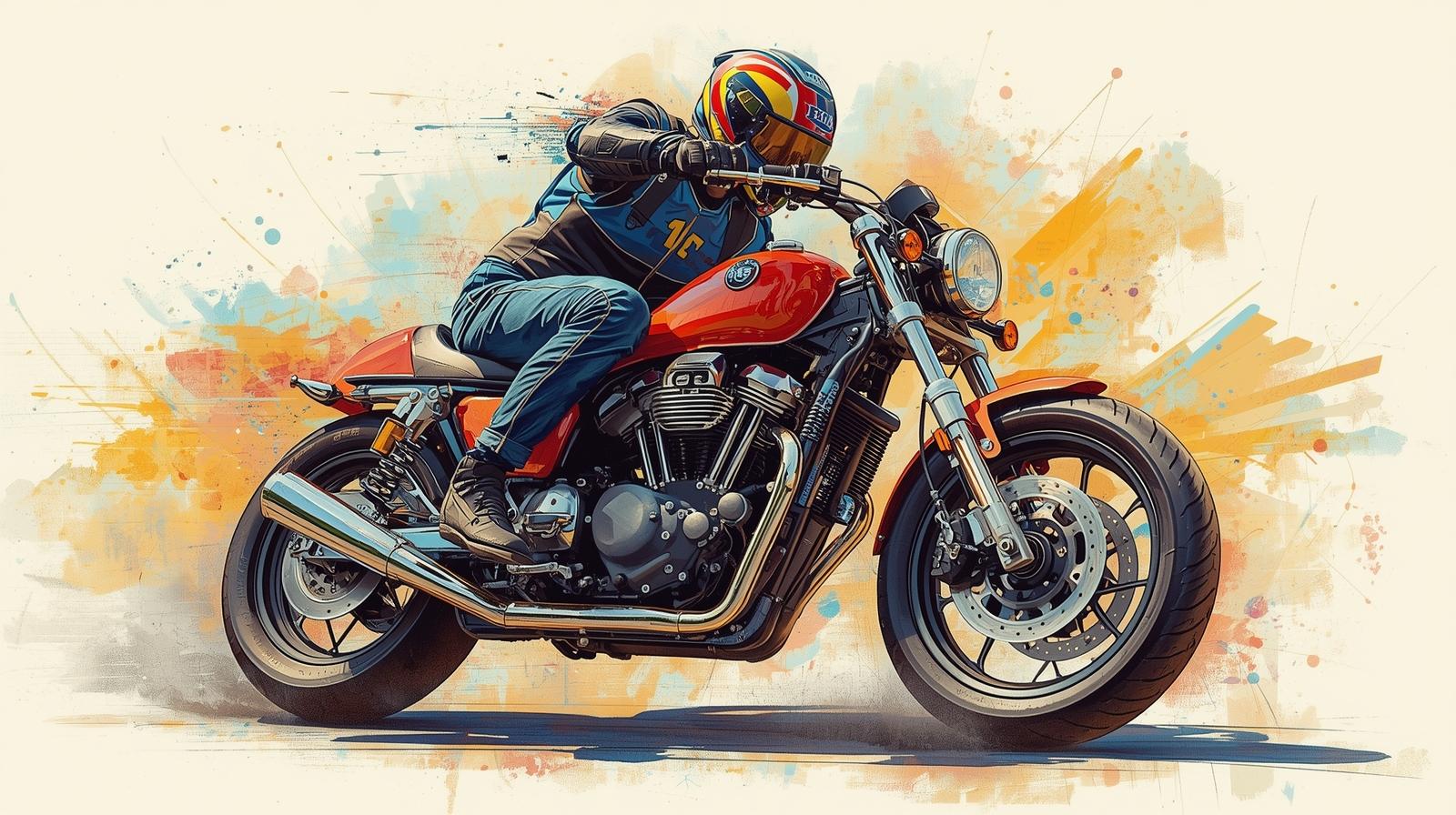
Many states also offer a learner permit for motorcyclists seeking their licenses. Having a learner’s permit allows you to practice the skills you need to learn to pass the driving test for your motorcycle license. You must follow all the restrictions that come with the learner’s permit, including riding under the supervision of a licensed adult. You should not forget to wear the recommended safety equipment while riding, too.
The best way to prepare for the hands-on motorcycle license test is by practicing. Therefore, whether you are offered a waiver or not, practicing as much as possible is in your best interest. You must take the time to reinforce all the driving techniques and safety procedures you must utilize while driving your motorcycle. Those officials administering the test will not be lenient due to the high risk associated with riding a bike.
Several skills are checked on the driving test, including speed, stopping, turning, bike balance, surrounding awareness, start-up procedures, and more. You may also be presented with an obstacle course that you will have to navigate successfully. You might also want to consider taking a motorcycle rider course that will allow you to learn how to ride a motorcycle and give you the chance to earn your motorcycle license.
Valuable Tips To Reduce The Time
1. Provisional License
You should apply for your Provisional License as early as possible, as the process can take several weeks. Without this license, you could not legally get behind the wheel, even with a qualified driver (e.g., parent or driving instructor) alongside you. So, apply for it as soon as possible.
2. Theory Test
You should use the waiting time before obtaining a provisional license productively, and spend that wisely studying and learning for the written test. Ask family and friends to test your knowledge and understanding of traffic procedures, stopping distances, road signs, and their meanings. This will significantly help you concentrate more on the practical side of learning to drive without being bogged down and worrying about theory. Try to take your theory test early on in the learning process. Passing the theory test will give you confidence to proceed with practical lessons and allow you to apply for the practical test.
3. Driving Practice
You should book several practical lessons per week or take multiple lessons. This will drastically reduce the learning time, allowing you to progress and learn several new driving procedures quickly. Single-hour or once-a-week lessons are frustrating for both the learner and the instructor, as there is a tendency for the student to forget what they have learnt previously. Practicing with a qualified driver can indeed develop your driving abilities, and you will become a competent driver in a short time.
Moreover, it’s not enough to feel confident that you can drive well when taking your driving test; you must also ensure you have covered all aspects of your preparation. Make sure you reach the test center at the right time. Listen attentively to the examiner’s instructions.
Passing the motorcycle driving test should be easy if you have done plenty of practice and have the rules in your head. Always maintain your focus on the road. The examiner needs to ensure you are aware of the traffic around you to assess how alert you are while driving.
Three Things You Should Know
Know Your State
Getting a motorcycle license varies depending on the state you live in. Some may require a small fee, others may require some time with a learner’s permit – it depends on where you are. So the first thing you should find out when getting your motorcycle license is precisely what your state of residence requires from you.
Know Your Laws
Similarly, different states may have slightly different traffic laws and signage. In both a theoretical and a practical driving test, you will be asked about and expected to know these laws. Be sure to familiarize yourself with the specific laws in your state before getting your license.
Know Your Motorcycle
Finally, you’ll be expected to know the ins and outs of your motorcycle. What do the different buttons mean? How do you check the oil level? When should you have it serviced? Again, these questions may arise in the theoretical or practical test, so familiarize yourself with your motorcycle beforehand.
Fortunately, we can help with all three steps! Contact us today, and we’ll be happy to provide you with the necessary information—and even free practice tests that help you study and learn just what you’ll need to make your childhood dream come true and get your motorcycle license.
Prepare for Your Motorcycle License Test
Practicing for your bike skills test is essential, but be sure to do so safely. First, ensure you fulfill all the legal requirements for riding your motorcycle. The laws generally vary from state to state. Check your local state laws and ensure they meet all requirements. You need to find an appropriate spot to start your practice effectively. Empty parking lots are the best. You may check out shopping centers, schools, and community centers. Try to go there early in the morning on a weekend, as there will be enough light to see well and fewer people. But before venturing into this, ask permission from the owner.
Before using an empty parking lot, check the surface. Often, parked cars leave oil on the surface, which can be hazardous, especially to an inexperienced rider. Other potential issues to watch out for are loose gravel, glass, and other objects on the pavement. Wear proper protective clothing while practicing, as you don’t know what might happen. Your bike could slip, the brakes might not work correctly, or you could flip out and lose control. Never ride your motorcycle without a helmet and other protective gear.
Practice basic exercises like slowing down and stopping safely, and accelerating smoothly. You can also bring an experienced motorcycle rider with you, who can provide feedback on what you are doing right and wrong, and offer guidance on how to correct any riding issues. Be sure to address all the real “road” situations you may encounter while practicing on your bike. You should practice cornering sharply instead of just making big, smooth turns. It is important to remember that riding on the road isn’t like riding in a parking lot, and there will be many unexpected variables. Practice is essential for your driving test and the real world, so be sure you’ve spent enough time in parking lots before you hit the streets. Before acquiring a license and applying for a permit, you should prepare for a motorcycle practice test. Happy Riding!

Permit.Bike is singularly devoted to the purpose of providing an easy-to-learn and simple approach to the act of riding.