
When driving a car, we typically focus on extreme weather conditions, such as harsh snow, heavy rain, hot weather, or cold weather. Most of us have learned to adjust to different kinds of weather conditions and drive on.
Yet when it comes to riding a motorcycle, we have to approach this subject in a whole new way. For instance, when you’re just heading out for a quick drive to the store and back, you probably wouldn’t think to grab a pair of gloves or even a jacket. But on a motorcycle, that same ride would require not only gloves but maybe a completely different outfit!
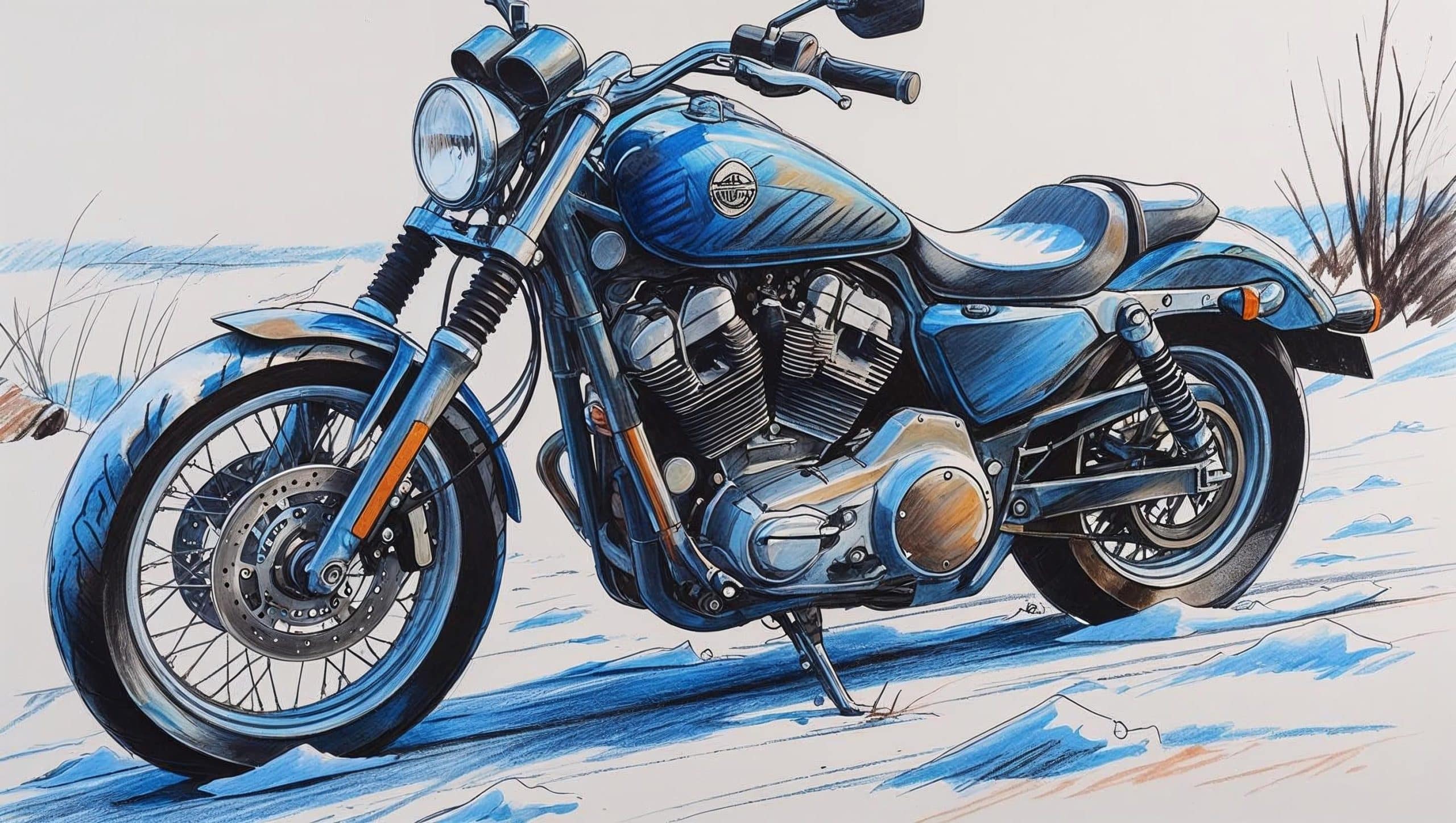
So let’s talk about some key considerations to be better prepared for riding in any weather, especially if the weather changes during our ride!
The clothes you wear
Your body is a functioning part of the motorcycle. Much of the control we rely on depends on our being comfortable with body temperature and ease of movement. If you are an ATGATT (all the gear, all the time) kind of person, you will need different gear for hot and cold days and anything in between. I covered some of this in a different blog. So for now, keep in mind you want to stay warm on a cold day, cool on a hot day, and have freedom of movement at all times. It’s tempting to jump on the bike and go. I can’t count the number of times I have not dressed warmly enough for a ride and regretted it. In fact, I recall a time when I was out on a ride and noticed the temperature drop 15 degrees in just 30 minutes. That kind of change can drastically affect your ride if you are not ready for it.
My buddy, who rode only in a T-shirt that day, was not happy!
A great rule of thumb is to layer up on cold days and have a way to remove layers and store them on your bike, in a saddle bag, or even in a backpack. On a warm day, bring along an extra layer such as a thermal shirt or warmer gloves. Prepare to be flexible, as the weather can change during the ride!
How you ride
Road conditions can change in a matter of miles, sometimes yards. This is especially true of the fall and spring months when weather conditions often overlap. So let’s take a moment to look at the four seasons we ride in, and what to watch for.
SPRING
Many times, we can head out in the morning when the sun is just coming up. If the temperature has been even near freezing during the night, this can create ice hazards on days calling for sunny skies and mild temperatures. Black ice can form in areas where water accumulates on the roads. Often, snow melts during the warmth of the day, causing water to pile up on the road only to freeze as the temperature drops at night. Be on guard and watch for this in the early morning.
Also in the springtime, animals emerge from wherever they have been spending winter. Ever notice there is more road kill on the roads in the spring? Many of them are working off that long sleep and stumble out into the road, watch for these little critters as they can end your ride pretty quickly!
SUMMER
In summer, traffic patterns change! People are on vacation and often drive unfamiliar roads. Watch how people are moving, especially if you live in a tourist town.
Another hazard to watch for is tree branches. All winter long, trees are weakened by the weight of snow. A good windy rainstorm can knock these branches into the road. Keep in mind, although the storm of the night before is over, it may have left a few “gifts” for you. Watch out for them!
FALL
Two words, wet leaves. All those trees turning amazing colors are depositing leaves everywhere. Ride through dry leaves, and it’s not a big deal; they’ll fly out of your way. Hit a patch of wet leaves when coming around a twisty, and you can suddenly find yourself in a heap of trouble. You better stay alert and watch for this!
WINTER
Most of us don’t want to head out into the snow, and that is easy enough to avoid. But the cold weather can create hazards for us that we may not be aware of. For one, bridges can be hazardous to ride across. The wind whipping under a bridge cools the surface temperature down and this can cause ice to build up. We can be heading down the road, enjoying a nice ride on clean pavement, only to hit patches of ice on a bridge if we are not watching for it. Be careful, look for the changes in the coloring of the bridge; you can often see where the ice is building up as darker patches.
However, I would say the most common hazard of riding in winter is the cold; stay warm and dry! If you start to get too cold, pull over and warm up. A fifteen-minute pause can make all the difference in the world.
I’m fortunate enough to live in a state where we can ride year-round. The winters are mild enough to allow for some excellent days. Where weather allows for this, as long as you understand the hazards to look out for, you can learn to avoid them and enjoy the ride – even in winter!
This is by no means an exhaustive list, but as you learn to watch for changes around you, you will begin to recognize how the seasons change our ride, and how to adjust to those changes.
My next blog will cover some advice for women riders!
Until then, remember, ride safe, ride smart, and have fun!

David Ianetta was born and raised in Boston, MA. After moving around in his younger years, he now lives in North Carolina. David has a passion for riding motorcycles,often exploring the scenic back roads of NC with is wife, Rika, who rides her own along side him.
David also writes a Daily Blog for Freedom Biker Church called, “Daily Rock“ located at www.freedombikerchurch.com and is a contributing writer for Southeastern Rider magazine.