
The warmer weather seems to bring more people outside and into their vehicles. Some may commute more while others head out on road trips or vacations. The roads become busier with many vehicles, including motorcycles. Recognizing the risks associated with riding a bike is crucial for riders to stay safe on the road. Drivers of passenger vehicles must also understand the risks motorcycle riders face and adjust their driving accordingly when near them.
Quickly Stop
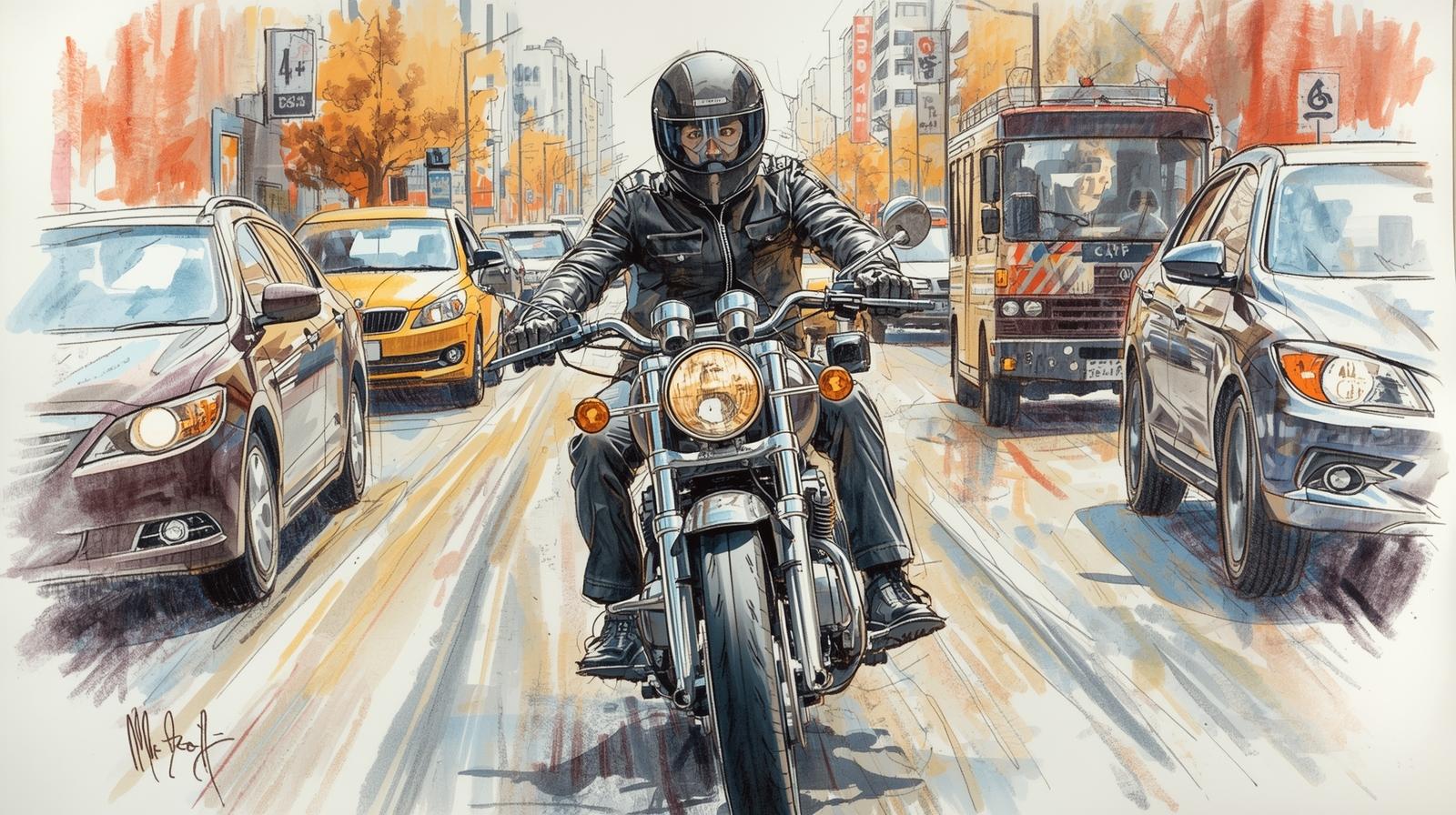
Motorcycle riders can brake and stop very quickly – much quicker than those driving passenger vehicles traveling at the same speed. All drivers should maintain a safe following distance while driving behind a motorcycle. Tailgating any vehicle never gives you enough time to see the brake lights, remove your foot from the accelerator, and move it to the brake to stop the vehicle. However, rear-ending a motorcycle rider because you are tailgating them can mean serious injuries to them, if not worse.
Tailgating
Speaking of tailgating, it takes roughly 3/4 of a second to pass before your brain can identify that the brake lights of the vehicle ahead of you are lit up. It then takes approximately another 3/4 of a second to move your foot from the accelerator and place it on the brake pedal. And that does not account for the time it will take to stop your vehicle. If you have a vehicle that is overloaded with passengers or cargo, it can impact how quickly you can stop. This time would be during ideal conditions. It would take longer with wet or icy roads.
This timing, at city speeds, should clarify the need to maintain a minimum of two seconds behind the vehicle ahead of you while in the city. Since a motorcycle can stop much quicker than a passenger vehicle, it would be wise to add one second of the following distance at city speeds and another second at highway speeds.
Approaching Group
If you are approaching a small group of motorcycle riders and the lead rider makes a lane change, you can expect all of them to do the same at some point. Adjust speed as needed to allow that to happen, helping create space for each of them to complete their move. If a group of motorcycle riders is passing you, remain at the speed you are traveling so they can safely complete their pass. Speeding up can put their safety at risk, but if you need to slow down slightly to let the passing motorcycle change lanes in front of you, do so with caution so as not to throw off the timing of the pass.
Making a Left Turn
One of the risks for a motorcycle rider is having a vehicle cut across their path while that driver is making a left turn. If you plan to make a left turn, make sure you take time to get a good view of any approaching motorcycles. Because of its small size, a motorcycle may look farther away from you than it is. It may also be difficult to judge the speed of the approaching motorcycle. Take an additional second look to judge the speed and distance of an approaching motorcyclist. If you are unsure if you can make a safe turn without causing the motorcycle rider to slow down for you, wait until they pass.
Turning or Changing Lanes
Before turning or changing lanes, be sure to check your inside and outside mirrors and your blind spot. Making regular mirror checks every 5 to 10 seconds will help keep you up to date about any traffic approaching you from behind. If you spot a motorcycle in your mirror, but after making another mirror check, you do not see it, never assume that it must have turned off the road. Check your blind spot to ensure you know if the motorcycle is there – even if you are not planning to change lanes. It comes down to having special awareness. Make regular mirror checks a habit. It is always better to be safe than sorry.
Motorcycles often ride either to the right or the left of their lane. It enhances their visibility and traction in the lane, keeping them safe from other vehicles. Never share the same lane as a motorcycle by driving next to them before passing them. They may need to switch sides in their lane to improve visibility or safety, especially when avoiding debris like potholes.
Communicating Clearly
Communicating clearly and early is the responsibility of all drivers, regardless of what type of vehicle they may be driving. Signaling your intentions well before making any change of direction will help the motorcyclist anticipate your movement and allow them time to find a safe lane position or even change lanes if needed.
Motorcycle Hand Signals
You may find that a few motorcyclists often use hand signals to let other drivers know their intentions, especially if riding an older motorcycle. Keep an eye on the actions of the motorcycle rider. They may be using arm signals to inform you of their impending actions. Motorcycle signals are not self-canceling, and riders sometimes forget to turn them off after a turn. It is a good idea to ensure a signal indicates its future actions before taking any action.
Helmets
Many drivers inside the seating compartment of passenger vehicles will sometimes take safety for granted. They have a seatbelt that will keep them secured in the seat and airbags that will inflate to help keep them safe in severe collisions. The only safety device a motorcycle rider will have, for the most part, is a helmet. It’s recommended that the riders wear protective clothing, including gloves and jackets, but not all of them take that advice. Create space for them if they make a judgment error, lose control of their motorcycle, and fall off the bike.
It’s time to respect the motorcycle riders and their passengers that you come across while you’re operating your passenger vehicle. Please provide them with space and the respect they deserve. Pay attention to the driving environment. It will help keep everyone safer, including motorcyclists.

Permit.Bike is singularly devoted to the purpose of providing an easy-to-learn and simple approach to the act of riding.