
Motorcycles offer an unmatched sense of freedom, adrenaline, and connection to the road. But with that freedom comes a higher level of risk. According to statistics, motorcyclists are about 28 times more likely than passenger car occupants to die in a traffic crash per vehicle mile traveled.
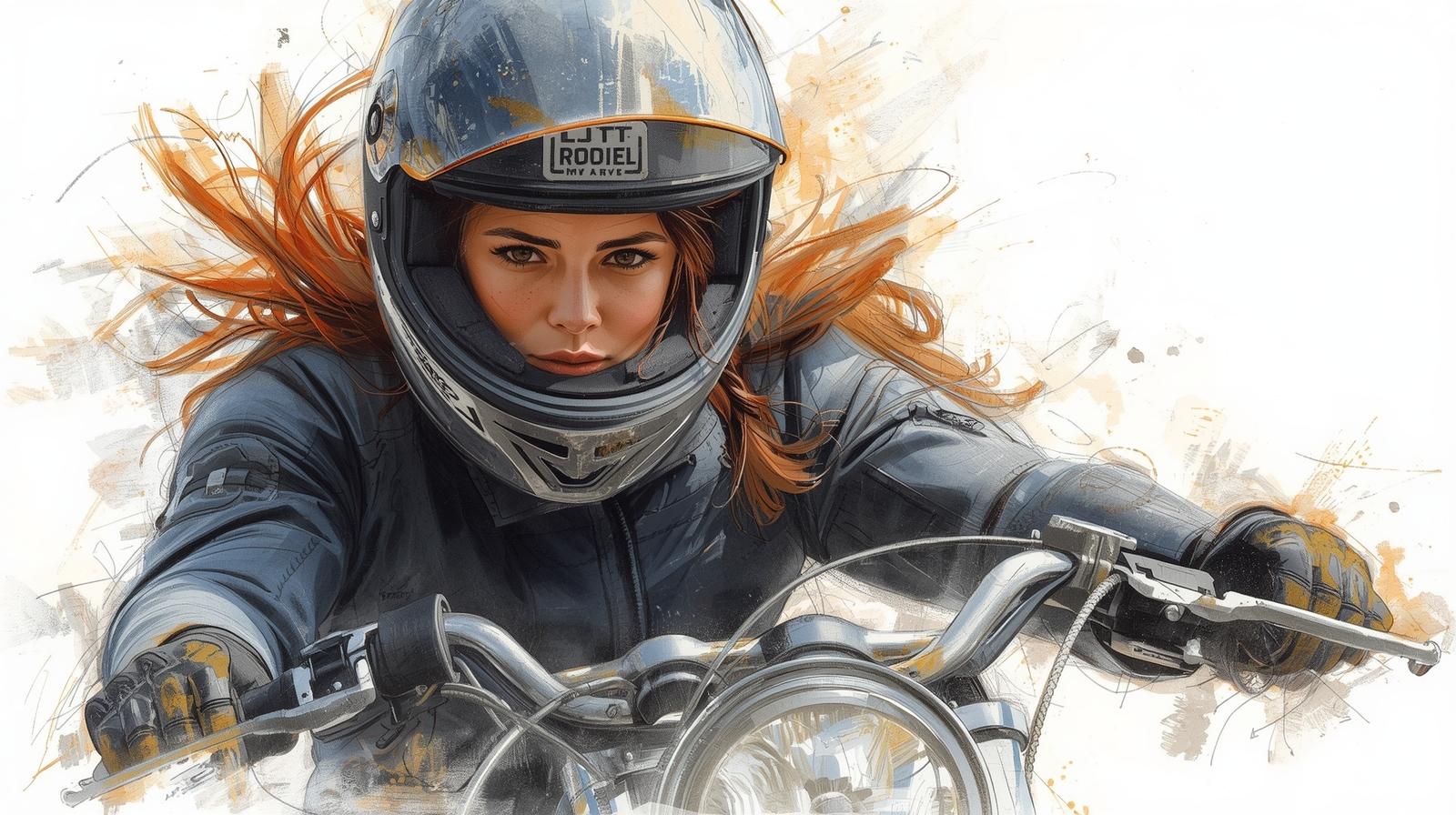
While this statistic sounds grim, the good news is that most motorcycle accidents are preventable. With the proper safety practices, gear, and mindset, riders can dramatically reduce their chances of being involved in a crash – or of being seriously injured if one occurs.
Whether you’re a new rider or a seasoned biker, the following tips can help keep your wheels on the road and your body out of harm’s way.
Start with the Right Training
Before twisting the throttle, make sure you know what you’re doing – really know.
- Take a certified safety course. These classes cover everything from operating a motorcycle to handling emergency situations.
- Even experienced riders benefit from refresher courses to improve skills and learn new techniques.
Proper training builds muscle memory, enhances decision-making, and improves confidence – all of which are essential for surviving real-world riding conditions.
Gear Up—Every Time You Ride
You’ve heard it before: Dress for the slide, not the ride.
Here’s what comprehensive motorcycle safety gear includes:
- Helmet: A DOT- or ECE-certified full-face helmet offers the best protection. Avoid novelty helmets that don’t meet safety standards.
- Jacket: Wear a motorcycle-specific jacket made of leather or abrasion-resistant textile. Bonus if it has built-in armor in the elbows, shoulders, and back.
- Gloves: Full-finger gloves protect your hands from road rash, weather, and debris.
- Pants: Jeans are not enough. Choose riding pants with reinforced knees and hips or wear armored inserts.
- Boots: Motorcycle boots should cover the ankle, have non-slip soles, and offer impact protection.
Even in hot weather, don’t skip your gear. Ventilated or mesh gear keeps you safe without overheating.
Perform a Pre-Ride Inspection
Just a few minutes of checking your bike can prevent a breakdown – or worse.
Use the T-CLOCS method:
- Tires and Wheels: Check tire pressure, tread depth, and for any cracks or debris.
- Controls: Test levers, pedals, cables, and hoses.
- Lights and Electrics: Confirm that headlights, brake lights, turn signals, and horn are working.
- Oil and Fluids: Look for leaks and ensure levels are appropriate.
- Chassis: Inspect the frame, suspension, and chain or belt for issues.
- Stands: Ensure side and center stands are not bent and spring back properly.
Don’t underestimate the value of regular maintenance – it keeps you riding safely and confidently.
Ride Defensively and Stay Visible
You’re likely the smallest vehicle on the road. Make yourself impossible to ignore.
- Always assume drivers don’t see you. Ride like you’re invisible and anticipate sudden lane changes or turns.
- Position yourself strategically in traffic. Stay out of blind spots, especially for larger vehicles like trucks and buses.
- Use your lights, wear bright or reflective gear, and make eye contact with drivers at intersections.
- Avoid tailgating and leave plenty of space between you and the vehicle ahead.
- Be extra cautious at intersections, where most collisions occur.
Defensive riding is proactive riding – not just reacting to danger but staying ahead of it.
Know and Respect the Limits – Yours and Your Bike’s
Speeding, sharp cornering, and overconfidence can be a deadly combination.
- Don’t push beyond your skill level, especially in unfamiliar terrain or weather.
- Understand your bike’s capabilities: braking distance, lean angle, and acceleration vary widely between cruisers, sportbikes, and dual sports.
- Avoid riding impaired – this includes alcohol, drugs (even legal ones), fatigue, or strong emotions. Your reaction time and judgment are your best survival tools.
When in doubt, slow down, take a break, or ride another day. There’s no shame in safety.
Adjust for Weather and Road Conditions
Even experienced riders can be caught off guard by the elements.
- Rain reduces traction, obscures visibility, and makes painted road markings dangerously slick.
- Wind can push you off course, especially on open highways or when passing large vehicles.
- Cold temperatures may affect tire performance, and ice can be nearly invisible.
- Gravel, potholes, and road debris are hazards to be avoided or approached with extreme caution.
Always ride within the conditions. Your bike might handle it – but can you?
Ride Sober. Stay Alive.
This can’t be stressed enough: never ride under the influence.
According to statistics, alcohol is involved in about one-third of all fatal motorcycle crashes. Even a single drink can impair balance, coordination, and reaction time.
If you plan to drink:
- Use a rideshare app.
- Call a friend.
- Leave the bike parked.
Drinking and riding isn’t just illegal – it’s often fatal.
Riding with a Passenger? Step Up Your Game
Carrying a passenger changes everything.
- Make sure your motorcycle is equipped for two-up riding (seat, pegs, and suspension).
- Brief your passenger on holding on, leaning with the bike, and staying still during stops.
- Ride more conservatively – extra weight affects braking, acceleration, and cornering.
If you’re not 100% confident riding solo, you’re not ready to carry a passenger.
Stay Sharp with Continued Learning
Motorcycling is a skill, not a static ability.
- Watch training videos, read safety blogs, or follow skilled riders on social media.
- Practice emergency braking, low-speed maneuvers, and obstacle avoidance in a safe area.
- Consider advanced rider courses to improve your technique under professional guidance.
Every skill you refine may be the one that saves your life.
Know What to Do in Case of a Crash
Preparation doesn’t stop when something goes wrong.
- Always carry identification, emergency contact info, and insurance.
- Install a medical alert tag if you have allergies or conditions.
- Know how to handle a crash: get clear of traffic, call 911, and avoid moving injured parties unless there’s immediate danger.
The more you prepare for the worst, the better you’ll handle it – mentally and physically.
Safety is a Habit, not a Checklist
Motorcycling is more than a mode of transportation – it’s a lifestyle, a passion, and for many, a lifelong pursuit. But that pursuit should never come at the cost of safety. Every rider can choose to make better decisions, wear better gear, and practice better habits.
There’s no such thing as being “too safe” on two wheels. So next time you gear up and roll out, remember it’s not just about the ride – it’s about making it home.

Permit.Bike is singularly devoted to the purpose of providing an easy-to-learn and simple approach to the act of riding.