
There’s something magnetic about the open road when you’re on two wheels. Wind in your face, engine rumbling beneath you, and every twist of the throttle pulling you closer to freedom. However, before that first ride turns into a lifelong addiction, there’s something far more critical than horsepower or chrome. It’s protection.
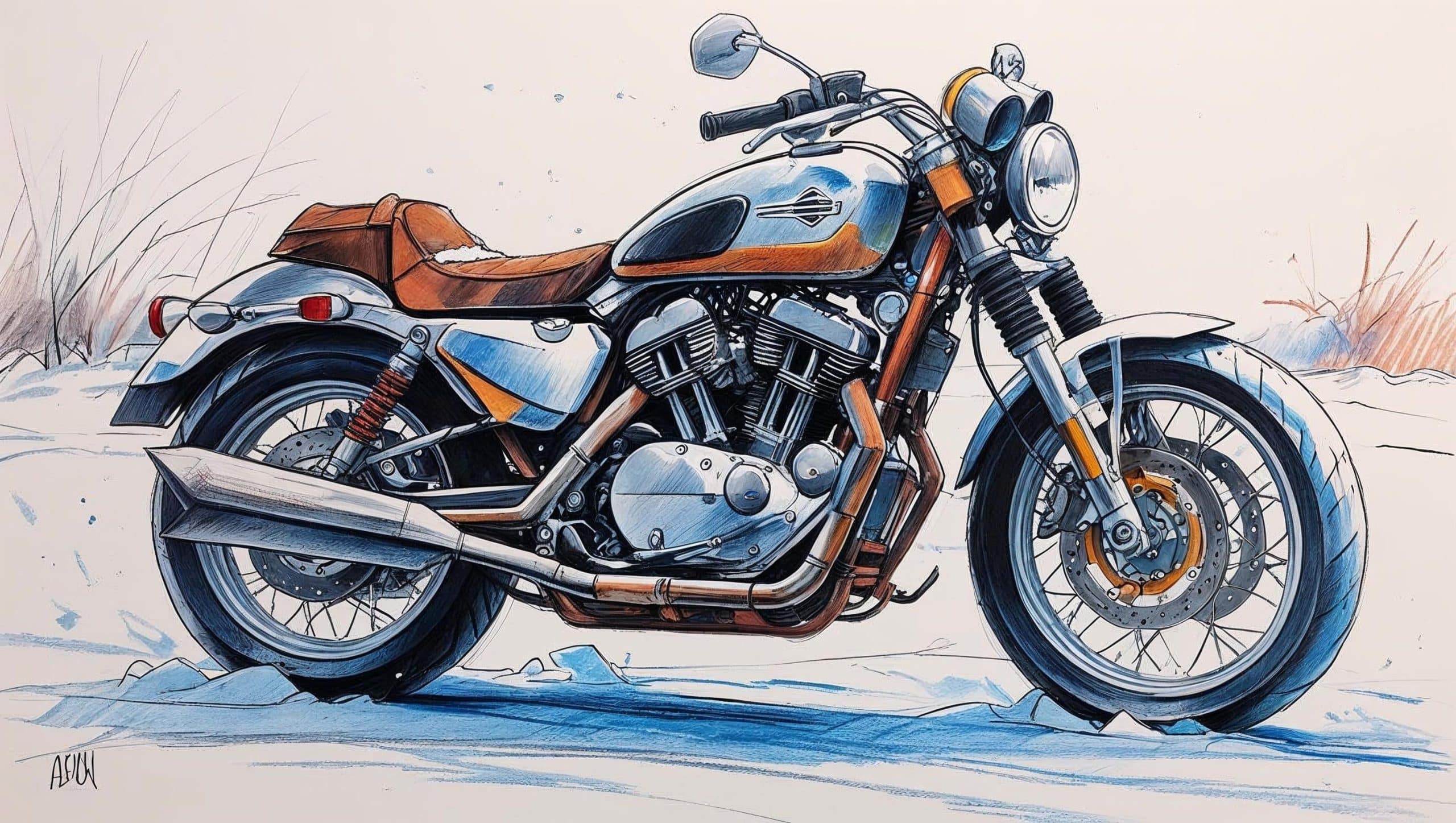
New riders often become obsessed with the motorcycle itself. They wonder about which brand to choose, how much power they can handle, and which color will turn heads. That excitement is honest and totally understandable, but what often gets pushed to the side is something far more critical than engine size or aesthetics. It’s the gear you wear while riding. It’s not the flashy part of the experience, but when things go sideways (and they sometimes do), it’s the gear that decides whether you walk away with a story or with scars.
So, whether you’re gearing up for your M1 license or finally pulling the trigger on your first bike, this guide will walk you through the best motorcycle gear essentials every beginner should invest in. Consider it your style-meets-survival starter kit.
Let’s go!
1. The Motorcycle Helmet: Your Lifesaver, Not an Accessory
Motorcycle helmets are more than just legal requirements in Canada. They’re scientifically engineered cranium protectors. According to the U.S. National Highway Traffic Safety Administration (NHTSA), head injuries are the leading cause of fatal injuries in motorcycle accidents. A DOT- or ECE-certified helmet reduces your risk of death by 37% and brain injury by 67%.
When selecting a helmet, prioritize fit, certification, and comfort. For beginners, a full-face helmet provides the most protection, particularly for the jaw and chin areas. Modular helmets give a bit more flexibility but with slightly less safety integrity. While it might be tempting to go for cheaper knockoffs or vintage styles, it’s crucial to invest in reputable brands that undergo rigorous testing.
For new riders in Canada, recommended helmet choices include the LS2 Stream Full-Face Helmet, which is DOT and ECE-certified and features a built-in sunshield, and the LS2 Advant-X Carbon Modular Helmet, offering lightweight carbon fiber construction and dual certification for added flexibility. Both strike a smart balance between protection, comfort, and price.
Remember, helmets have a shelf life (usually around five years) even if they haven’t been in an accident. UV rays, sweat, and materials degrade over time. Therefore, ensure that you replace your helmet within this timeframe to maintain maximum protection and structural integrity, even if it still appears fine on the outside.
2. Motorcycle Jackets: Not Just for the Cool Factor
A proper motorcycle jacket isn’t just about channeling your inner Marlon Brando. It’s a vital piece of motorcycle riding equipment. Quality jackets are designed with abrasion-resistant materials (like leather or reinforced textiles), armor padding, and ventilation systems that make riding safe and comfortable.
Look for:
- CE-rated armor in the elbows, shoulders, and back
- Weather-appropriate materials (mesh for summer, thermal liners for cooler months)
- Reflective panels for visibility
While leather is a classic, modern textile jackets offer better versatility, as many are waterproof, breathable, and even modular. As a new rider, you’ll likely be experimenting with different types of rides (commutes, short tours, or weekend getaways), so go with a jacket that can adapt.
Here are two great options to consider:
- REV’IT! Eclipse 2 Jacket – A lightweight mesh jacket perfect for summer riding, with CE Level 1 armor in the shoulders and elbows, plus optional back protection. It’s breathable, stylish, and commuter-friendly.
- Joe Rocket Ballistic 7.0 Jacket – A versatile textile jacket with waterproofing, a removable thermal liner, and full CE armor. Ideal for Canadian weather shifts and longer rides.
3. Gloves: Small Gear, Big Difference
Hands instinctively reach out during a fall, making them one of the first contact points in any crash. That’s why riding gloves are non-negotiable. Without them, even a low-speed spill can result in gruesome abrasions or broken fingers.
The best motorcycle gear gloves come with reinforced knuckles, palm sliders, and breathable yet durable materials. Thus, opt for gloves that offer:
- Full wrist coverage
- Abrasion resistance
- Tactile grip (you’ll still need to control clutch and throttle)
There are even touchscreen-compatible gloves now, so you don’t have to rip them off at every stoplight to use your GPS.
If you’re just getting started, here are two glove options that strike a smart balance between comfort, control, and crash protection without complicating the decision unnecessarily.
The first pick is the Klim Induction Glove. These are premier hot-weather gloves crafted from premium goat leather, featuring carbon-fiber knuckle guards and generous ventilation. Perfect if you want airflow and protection in one tidy package. The second one is Kemimoto Kevlar Racing Touch-Screen Gloves. They are exceptionally abrasion-resistant with Kevlar stitching, foam-padded protection, and touchscreen compatibility. A budget-friendly pick that still keeps all the safety basics covered.
4. Pants: The Overlooked Protector
Many beginners ride in jeans, thinking they’re “thick enough.” Truth is, standard denim offers minimal protection in a slide. Motorcycle-specific pants are constructed with Kevlar panels, armor inserts, and heavy-duty stitching.
Consider riding jeans if you want style with added protection. They look casual but are built for impact. For longer rides or commutes, textile or leather pants with integrated armor can offer full-coverage protection and all-weather adaptability.
Your legs are 30% of your body. Please don’t leave them vulnerable.
Below are two standout choices that offer style and crash protection in one tidy package:
- WCL Motorcycle Reinforced Kevlar Riding Jeans: These jeans feature a full Kevlar lining and adjustable CE Level 1 knee armor, blending everyday denim style with serious slide protection.
- Advanced CE-Armor Waterproof Motorcycle Pants: Built for all-season riding, these textile pants feature CE-certified armor, a waterproof design, reflective details, and a zip-out thermal liner, making them perfect for shifting weather conditions.
5. Footwear: Ground Control Is Critical
Your feet do a lot more than shift gears. They stabilize your bike at stops, absorb shock, and act as levers during sharp turns. Wearing sneakers or regular boots might seem fine until you realize how exposed your ankles are.
Good motorcycle riding equipment for your feet means:
- Over-the-ankle protection
- Oil-resistant, non-slip soles
- Reinforced toes and heels
- Rigid ankle protection
For riders just starting, two boots deliver absolute protection.
The first is Noru Resu Waterproof Boots. They have a lightweight lace-up design with a waterproof liner, rugged oil- and slip-resistant soles, and a built-in steel shank for support. They’re ideally geared toward everyday riding and wet-weather comfort.
The other one is Sidi Mid Adventure 2 Gore. It’s a more premium choice, featuring a sturdy buckle-and-strap system, reflective details, and an anatomically shaped heel with both internal and external ankle padding. It’s great for longer or more demanding rides.
6. The Layer Most Riders Forget: Base and Rain Gear
Canada’s weather changes fast. One minute you’re riding under clear skies, the next you’re soaked and freezing. That’s where layering systems come into play.
Invest in:
- Moisture-wicking base layers (to keep you dry inside out)
- Compact rain gear (can be worn over your primary kit)
- Neck gaiters or balaclavas (for cold or dusty rides)
Staying dry isn’t just about comfort; it can actually prevent hypothermia or distraction-related accidents.
Value-Added Tip: Don’t Skip the Fit
Even the best motorcycle gear is useless if it doesn’t fit properly. Too tight and it restricts movement. Too loose, and the armor shifts away during impact. Always try on gear with your riding posture in mind: crouch slightly forward, arms out, and knees bent. A perfect fit not only protects but also makes riding smoother.
And remember, gear made for men might not suit women riders, and vice versa. Many reputable brands, like REV’IT! (available via retailers like FortNine and TripleClamp Moto), offer gender-specific designs for better fit and function.
At www.permit.bike, we offer motorcycle license practice tests designed to get you test-ready without the stress. So, practice today, ride tomorrow!

Permit.Bike is singularly devoted to the purpose of providing an easy-to-learn and simple approach to the act of riding.