
If you’ve just earned your motorcycle license in the US, you must ride safely and responsibly, not just for your sake but for other road users. In fact, motorcycle accidents have a higher fatality rate compared to car accidents. Obviously, this is because when you’re riding a motorcycle, you’re not shielded with safety belts, airbags, chassis, and a body compared to someone driving a car.
Besides that, if you’re not careful, you may get fined and penalized if you don’t follow the rules. So, what are the things you should keep in mind when riding a motorcycle?
Drive Defensively
The first rule of riding a motorcycle safely is always to drive defensively. As a general rule, you should assume everyone on the road is out to get you and take the necessary precautions. This means being aware of your surroundings, making yourself visible, and anticipating the actions of other drivers.
For instance, if you’re driving defensively, you should avoid riding in the center of the lane since that would reduce your visibility and increase the risk of riding over oil, debris, and manhole covers. Instead, it would be safer to position your motorcycle behind the vehicle in front of you. However, you shouldn’t ride too far on the edge of the lane since that would put you at risk if another car drives through it.
Of course, don’t forget to check your mirrors and maintain a safe following distance of at least four seconds — but it also depends on the conditions. Once in a while, you can practice on a track or take defensive riding classes to assess your skills.
Always Wear Protective Motorcycle Gear
Wearing protective motorcycle gear is just as important as riding defensively. In fact, you’re legally required to wear a helmet every time you’re riding a motorcycle. However, wearing a helmet is just the bare minimum; you would have a better chance of surviving an accident with less severe injuries if you also wear a leather jacket, knee armor, rugged gloves, Kevlar-lined jeans, an airbag vest, and heavy boots with ankle protection.
One more thing: you should wear a full-face helmet since it offers better protection compared to a half-face helmet.
Always Inspect Your Motorcycle Before a Trip
Before every trip, make it a habit to inspect your motorcycle to detect any issues that may arise on the road. This means checking the basic parts of your bike, such as the tires, brakes, suspension, cooling system, drive train, battery, transmission, lights, and engine. If you notice any minor problems, you should write them down and fix them before you hit the road.
Beyond that, you should follow the owner’s manual schedule to change the fluids, replace the oil filters, service the chain, and adjust the valve timings. If you can’t do the maintenance yourself, you can leave it to a professional mechanic to get the job done.
Don’t Ride While Impaired or Distracted
The majority of motorcycle accidents in the USA are caused by riders with alcohol in their system. That’s one of the reasons why most states have strict penalties for riding a motorcycle after consuming alcohol or drugs. If you’re convicted of driving under the influence of alcohol or drugs, having your motorcycle license suspended may be the least of your worries, since you could be fined and jailed. Not to mention, your motorcycle could be forfeited.
That aside, you’re likely to make silly mistakes that could cause an accident, even if you’ve taken just one drink, which won’t make you fail the test. Remember, riding a motorcycle requires more intense focus and effort than driving a car, which means you can’t afford to take a risk with one drink.
That aside, you should avoid riding a motorcycle when you’re feeling sleepy or fatigued, as this could cause you to be distracted on the road. If you ever feel like you’re mentally and physically exhausted while riding, you should take a break until you feel better. Wearing earplugs could also reduce fatigue caused by wind noise when you’re riding at high speed.
Safely Carry Passengers and Cargo
If you’re carrying a passenger, you should increase the air pressure on the tires as recommended in the owner’s manual. Before you start, instruct the passenger always to put both feet on the footpegs when seated on the motorcycle. Additionally, the passenger should always wear protective motorcycle gear just like the rider.
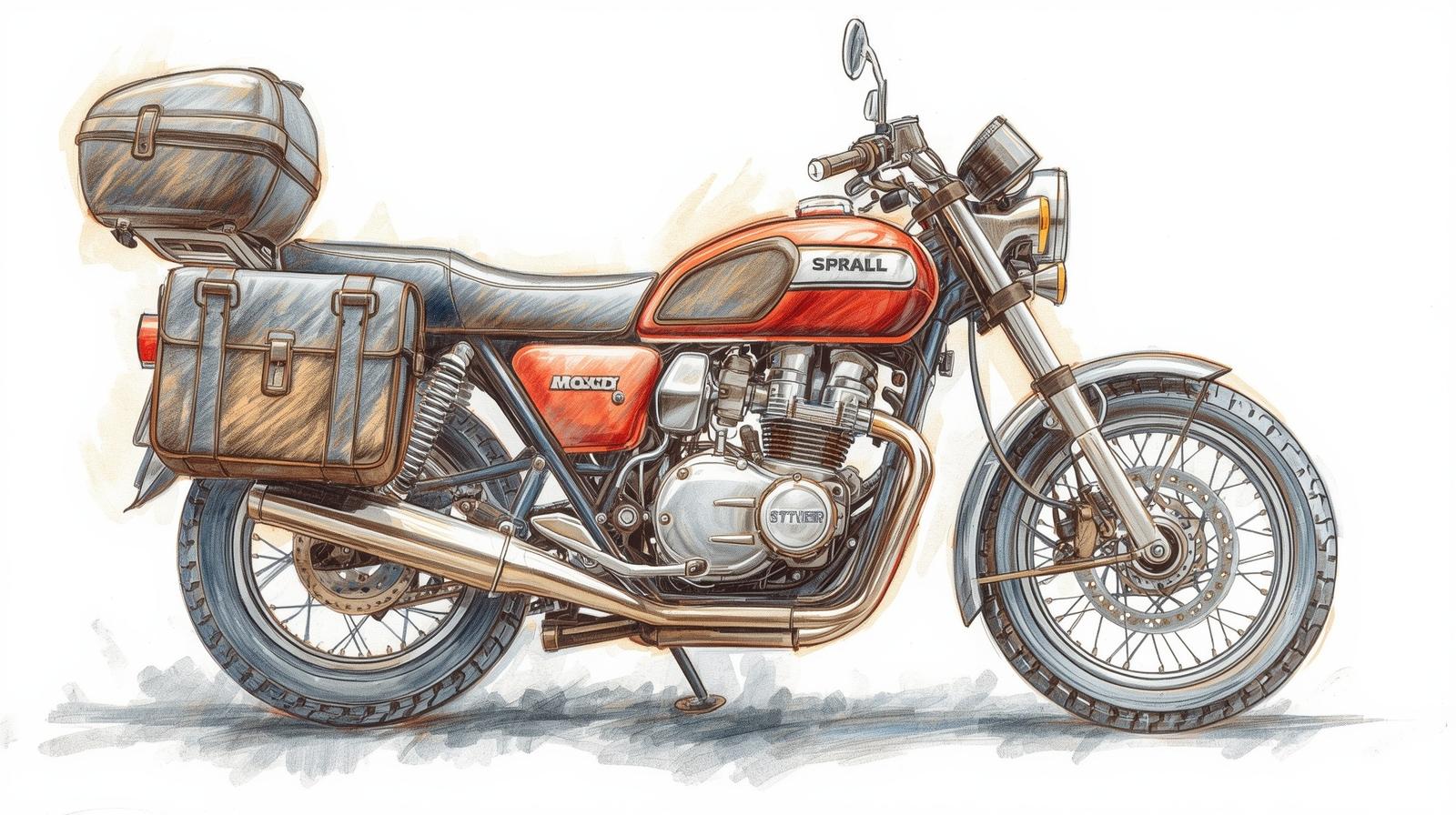
On the other hand, if you’re carrying cargo, it’s safer if you use a saddle or tank bag. If you secure the cargo on the tank or seat, ensure it’s evenly distributed. At no point should you overload the motorcycle with cargo that would make it lose balance. Similarly, you should avoid carrying unfastened cargo between your arms.

Permit.Bike is singularly devoted to the purpose of providing an easy-to-learn and simple approach to the act of riding.