
The open road is beckoning. Riding season is here, and you can’t wait to get out for the first ride of the year. Before you take that ride, keep some safety tips in mind to make sure you and your motorcycle are both ready for a great season while staying safe on the road.
Riding Gear
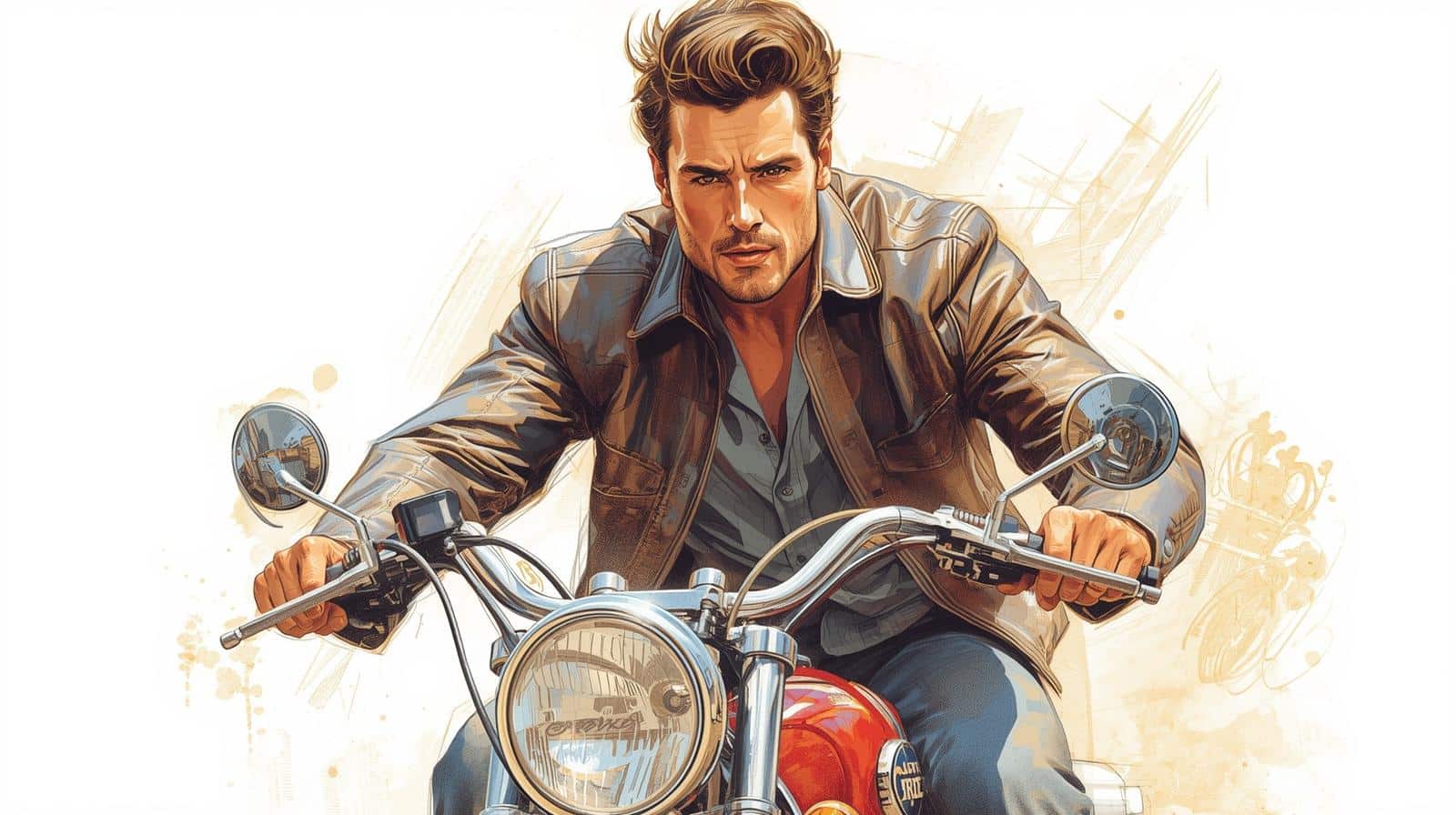
The best time to develop great riding habits is at the very beginning of the season, before you get into a routine. It only takes a few weeks for habits to become second nature, and starting the year off right can help ensure good habits become your go-to plan. Wearing the right motorcycle gear is one habit that is easier to get into before the sun turns too hot, tempting you to don lighter clothing. Be sure to include long pants, proper footwear, a riding jacket, and a helmet as part of your riding ensemble to stay safe on the road.
Motorcycle Inspection
Your motorcycle needs an annual safety inspection before it is ready for long rides. Sitting unused for months can bring problems to light that you might not have noticed at the end of the last riding season, especially if storing your bike means putting it under a tarp outdoors during heavy snowfall. Treat your motorcycle like a used bike that you just purchased, and inspect it from top to bottom to make sure it is ready to go.
• Charge and test the battery
• Check your brakes
• Drain and replace fluids
• Check tires for inflation, tread, and rot
• Check bearings, chains, and cables
• Make sure your lights and horn are working
Motorcycle Insurance
While getting ready for riding season, don’t overlook the details of your insurance policy. You may still have coverage in place since many motorcycle policies are in effect for one year, but reviewing your coverage options is always a good idea. If you have comprehensive and collision coverage on your policy, consider whether to keep the deductibles the same or adjust them to fit your financial circumstances better. Higher deductibles will lower your insurance rate, but you’ll have to pay more if you need to file a claim. Other policy details you should review include:
• Roadside Assistance Coverage in case your bike breaks down
• Liability Limits to cover damages you may cause others
• Uninsured/Underinsured Motorists Coverage in case an uninsured or underinsured driver hits you
• Accessories Coverage to cover saddlebags and other accessories
• Medical Payments to cover your medical bills
Taking the time to get your riding gear in order, inspect your motorcycle, and review your insurance policy will help ensure your bike is as ready as you are to hit the road this riding season. Knowing that you are both prepared to welcome the warm weather can give you the peace of mind you need to enjoy the feel of the wind instead of worrying that you aren’t prepared if something happens.
6 Essential Motorcycle Safety Tips
Riding your motorcycle can be one of the most thrilling adventures—it can also be relaxing, enjoyable, and a favorite pastime. However, keeping yourself safe during your ride is the most important thing when it comes to your motorcycle. Even experienced riders can experience accidents, so take a look at these six essential motorcycle safety tips.
Protect Yourself—Yes, This Means Wearing a Helmet
We know you’re smart, have a great bike, and have experience. The problem is, some other drivers don’t. While some motorcyclists consider their right to wear a helmet optional, the law doesn’t always see it that way. In fact, only three of our fifty states say that absolutely no helmet at all is fine: Iowa, New Hampshire, and Illinois. The rest of us need to wear helmets! Getting in an accident can be fatal for someone on a motorcycle; therefore, it’s so important to protect your head.
Don’t just get any helmet. A Department of Transportation-approved one is best. Look for the “DOT” label on your helmet. There are some great helmets out there: ones that match your bike, ones that match your attire, and ones that don’t match anything. Regardless of your favorite design or look, wearing a helmet is one of the safest things you can do for both you and your passenger on a bike.
Be Totally Present
No, I don’t mean meditate while you’re on the bike—I mean minimize distractions. Be completely and totally aware of what’s going on around you. As motorcyclists, we’re not always noticed, especially at nighttime or in inclement weather. It’s your responsibility to keep alert throughout your ride.
Being totally present means looking twice, not assuming drivers see you, and not assuming that the other drivers are even paying attention. Don’t assume anything when on your motorcycle: take complete control and be totally present. This will help you notice your space, the location of the drivers around you, and, most importantly, help you avoid potential collisions.
Wear Good Boots
It’s essential to protect your feet and to have adequate support while on your bike. If possible, wear shoes (ideally boots) that protect your ankles. They should also be sturdy to protect your feet in case of an accident—nothing like a several-hundred-pound bike crushing your feet. Don’t put yourself in that position—wear the right shoes. Buying boots made explicitly for motorcyclists isn’t wholly necessary, but it could be a good choice, especially if you’re unsure of what boots to buy. Also, ensure that your shoes allow for easy gear changes.
Wearing shoes is a safety measure not just for your feet, but also for properly operating your bike. Wearing your favorite casual shoes might be tempting, but in the name of safety, it’s best to wear a sturdy boot.
Ride in Good Weather on the Right Surfaces
Not many people like driving in inclement weather. Riding in inclement weather on a bike can be even more dangerous than in a car because your bike has minimal contact with the road, so every safe surface counts. Avoid riding in bad weather if possible to keep yourself safe. It’s always a good idea to check the forecast and plan accordingly.
The right surfaces are also crucial to bike safety. Construction zones, sand, dirt, gravel—at high speeds, these can all be dangerous. Keep to smooth surfaces whenever possible, and always practice safe driving on rough surfaces, in addition to obeying any construction signs, such as staying in your lane.
Take a Motorcycle Safety Course
Even experienced riders may find taking a motorcycle safety course helpful. Check your local area for available classes—some are free, while others may have a cost. Many places, such as the local community college or the DMV, will offer safety courses.
Taking a motorcycle safety course may be a good idea for you if you’ve gotten a new bike, are new to the area, or are a beginner with minimal road experience. Your state may or may not require a safety course, but it’s always a good idea to check it out regardless. You can never be too safe on a motorcycle.
Keep Up on Your Bike’s Maintenance
Your bike is a machine just like a car or any other piece of equipment. This means it needs to be maintained correctly to work properly and, therefore, keep you safe on the road. Checking the brakes, the lights, and your horn—these are all essential things to do. You can be the safest driver around, but when you’re not riding on a safe bike that’s had proper maintenance done, it doesn’t count for much.
Your bike needs to be well-maintained to be the safest it can be for you on the road. The rest is up to you!
Motorcycle safety is more than just checking your mirrors. Taking precautions and being safe on the road can ensure that you’ll not only survive your ride but also enjoy it. Being in a motorcycle accident is very dangerous and often fatal. Follow these tips to keep you and your passengers safe, and as always, enjoy the ride!
The Top Five Motorcycle Safety Tips To Remember in Summer
With summer fast approaching, more motorcycles will be joining drivers on the road as people head out for vacations, holidays, and fun in the sun. This makes for the perfect opportunity to remember the top five motorcycle safety tips:
Always keep in mind that motorcycles are less visible
Bikes have smaller profiles than autos, and other drivers often forget they are sharing the road with motorcycles. Be responsible for your own safety and stay out of an automobile driver’s blind spots.
The visibility factor for motorcycles drops even more at night
While cars are large and often equipped with numerous lights from top to bottom and front to rear, motorcycles have fewer lights and fewer reflective surface areas. Many safety experts recommend that motorcyclists wear helmets and clothing with reflective materials.
Always remember to wear safety gear
If a motorcyclist is in an accident, the only thing between the rider and the asphalt is his clothing and protective gear. Always wear a helmet and thick clothing, preferably leather.
Be aware of your surroundings and be respectful of the other drivers around you
Don’t dodge in and out of lanes, use your turn signals, and be on the alert for drivers who don’t see you.
Resist the urge to perform tricks on the highway
While tricks and wheelies may look cool on a professional track, the highway is not the place to perform risky maneuvers or to ride around on only one wheel.
Riding motorcycles is fun and exciting, but riding safely will ensure many years of enjoyment behind the handlebars. Contact us to learn more about how to stay safe all summer long – and beyond – on your motorcycle.

Permit.Bike is singularly devoted to the purpose of providing an easy-to-learn and simple approach to the act of riding.